
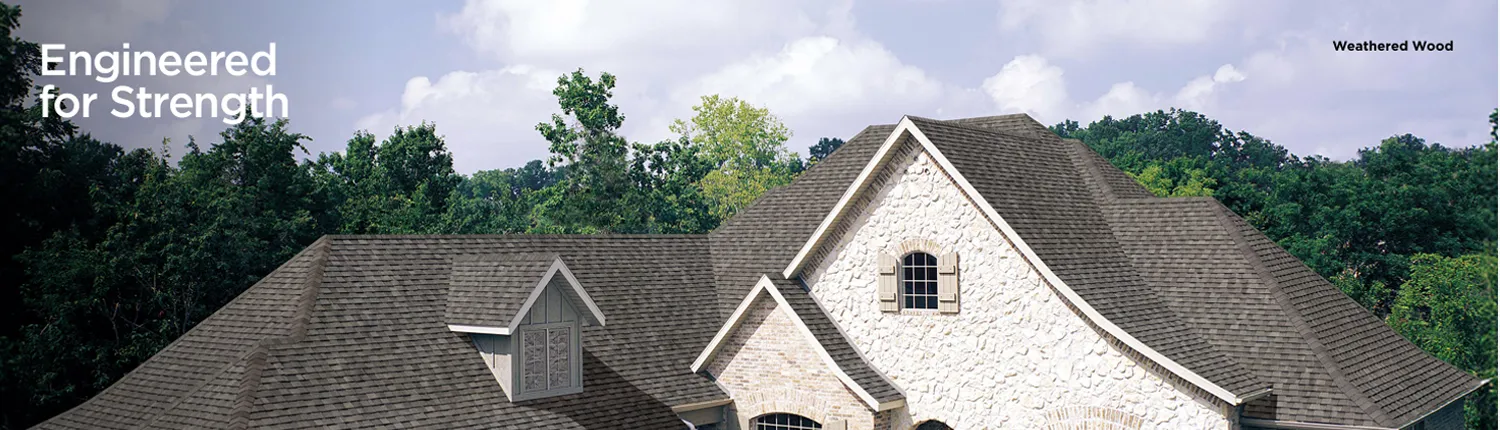
What Are Composition Shingles?
Composition shingles—also known as architectural or asphalt shingles—are the most widely used roofing material in North Texas. These shingles are built from a fiberglass mat, asphalt layers, and protective granules designed to withstand harsh weather, sun exposure, and seasonal temperature swings.
Homeowners choose composition shingles because they offer the ideal blend of durability, storm resistance, design flexibility, and affordability. Whether you’re interested in a Class 3 or a premium Class 4 impact-resistant system, composition shingles remain the go-to roofing material for most homes across Parker, Tarrant, and Hood Counties.
Why Composition Shingles Are So Popular 
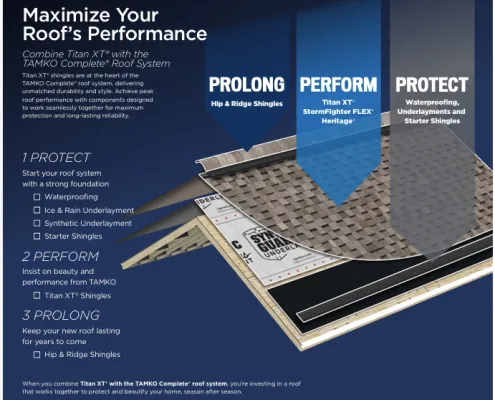
Composition shingles provide homeowners with:
- Storm Resistance – Modern shingles are engineered to withstand wind, hail, and severe North Texas weather.
- Strong Visual Appeal – Architectural shingles add depth, dimension, and clean curb appeal.
- Impact-Resistant Options – Class 3 and Class 4 shingles offer enhanced protection against hail.
- Wind-Rated Systems – Shingles like TAMKO StormFighter™ are designed for extreme uplift resistance.
- Cost-Effective Installation – A durable, long-lasting roof without the price of premium materials.
- Extensive Color Options – Easily match neighborhood designs or HOA requirements.
- Warranty Support – Manufacturer warranties provide long-term peace of mind.
Got Storm Damage?!? Schedule Your Free Roof Inspection Today!
How Composition Shingles Are Built
Understanding the construction helps homeowners choose the right system.
A typical composition shingle includes:
- Fiberglass mat: the structural base
- Asphalt coating: waterproofing & flexibility
- Ceramic granules: UV protection & impact resistance
- Adhesive seal strips: wind resistance
- Multiple laminated layers: architectural thickness & strength
This combination creates a roofing material that performs well in regions with:
- heavy winds
- hailstorms
- intense heat
- rapid weather changes
Like North Texas.
Types of Composition Shingles We Install
1. Architectural Shingles – Standard laminated shingles offering reliable performance and dimensional appearance. Otherwise known as 3-tab, we no longer install these based on cost and quality. While the Quality isn’t bad, per se, the price difference between the products is minimal – therefore we UPGRADE all homeowners to a Class Rated Shingle at no extra charge.
2. Premium Laminated Shingles – for a standard 30 year shingle, that no longer carries a class rating. These are available, however the price difference in these and a Class 3 are minimal, therefore we will UPGRADE you to a Class 3 at no extra cost to you.
3. Class 3 Impact-Resistant Shingles (ex: Tamko Titan XT®) – These shingles offer enhanced protection against hail impact and granule loss.
Titan XT delivers Class 3 impact performance, meaning it withstands impacts better than standard architectural shingles — ideal for most North Texas homes.
4. Class 4 Impact-Resistant Shingles (ex: Tamko StormFighter IR™) – Designed for the highest impact resistance available in residential shingles. StormFighter IR provides Class 4 protection — the top rating — ideal for hail-prone and wind-exposed neighborhoods.
Featured Composition Shingle Systems
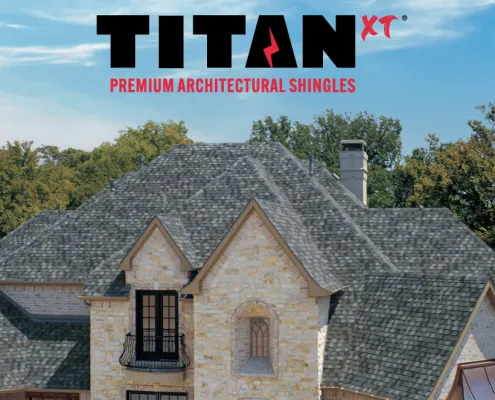
TAMKO Titan XT® — Class 3 Impact Rating
Titan XT delivers enhanced hail resistance and high wind performance (up to 160 mph when installed to spec).
It’s the ideal upgrade for homeowners wanting better durability without the cost of a Class 4 system.
Learn more: Tamko Titan XT Roofing Systems
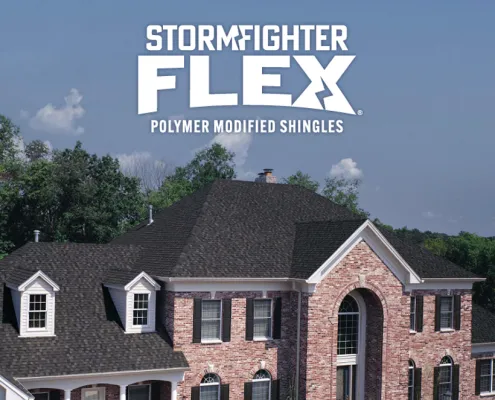
TAMKO StormFighter IR™ — Class 4 Impact Rating
StormFighter IR is TAMKO’s top-tier impact-resistant shingle.
It offers Class 4 impact protection and extreme wind uplift performance — making it one of the strongest asphalt roofing systems available.
Learn more: Tamko StormFighter Roofing Systems
Why Composition Shingles Perform Well in North Texas
North Texas is one of the toughest climates in the U.S. for asphalt roofing. Composition shingles perform exceptionally well due to:
- reinforced nailing zones
- improved sealants
- thicker laminates
- impact-resistant technologies
- UV-stable granules
Composition shingles perform exceptionally well in North Texas because manufacturers offer multiple performance classes, including:
- Architectural shingles for standard durability
- Class 3 (Titan XT) for improved hail resistance
- Class 4 (StormFighter IR) for maximum defense
- High-wind systems for uplift-prone areas
This range allows homeowners to choose the ideal level of protection based on location, exposure, and budget.
Composition Shingles – FAQ
Are composition shingles available in different impact ratings?
Yes. Composition shingles come in Class 1, Class 2, Class 3, and Class 4 ratings.
Tamko Titan XT® = Class 3
Tamko StormFighter IR™ = Class 4
Class 4 shingles offer the highest level of impact resistance.
Are architectural shingles better than 3-tab shingles?
Yes. They are thicker, more durable, and offer longer lifespan and better storm performance.
What are impact-resistant shingles?
Class 3 or Class 4 shingles engineered to resist hail impact and reduce storm damage.
Do composition shingles work well in North Texas?
Absolutely. They offer a strong balance of affordability, durability, and weather protection.
Should I upgrade to a Class 3 or Class 4 roof?
Most homeowners in North Texas benefit from Class 3 shingles like Titan XT.
Homes in more exposed, hail-prone, or high-wind areas often choose Class 4 shingles like StormFighter IR.
What is the main difference between Class 3 and Class 4 shingles?
Class 4 shingles are engineered to withstand stronger impacts and typically have enhanced reinforcement for severe weather. Class 3 shingles still offer excellent protection but at a lower price point.
Roofing Contractor in North Texas You Can Trust!
Lonestar Roofing & Restoration provides professional roof replacements, roof repairs, free inspections, and hail damage evaluations across Parker, Tarrant, Hood, Wise & surrounding Counties.
Need help choosing the right composition shingle for your home?
Our team can walk you through Class 3 vs. Class 4 impact resistance, color options, and system performance—so you get a roof built for your neighborhood and your budget.
Cities & Communities We Love:
Parker County: Aledo, Azle, Brock, Hudson Oaks, Millsap, Peaster, Poolville, Reno, Springtown, Weatherford, Willow Park
Tarrant County: Arlington, Azle, Bedford, Benbrook, Colleyville, Euless, Fort Worth, Grand Prairie, Grapevine, Haltom City, Haslet, Hurst, Keller, Lakeside, Mansfield, North Richland Hills, Roanoke, Saginaw, Southlake, Trophy Club, Watauga,Westlake
We follow all current roofing regulations outlined by the Texas Department of Insurance.